America Turns to Robots: Trump Administration Signals a National Robotics Strategy
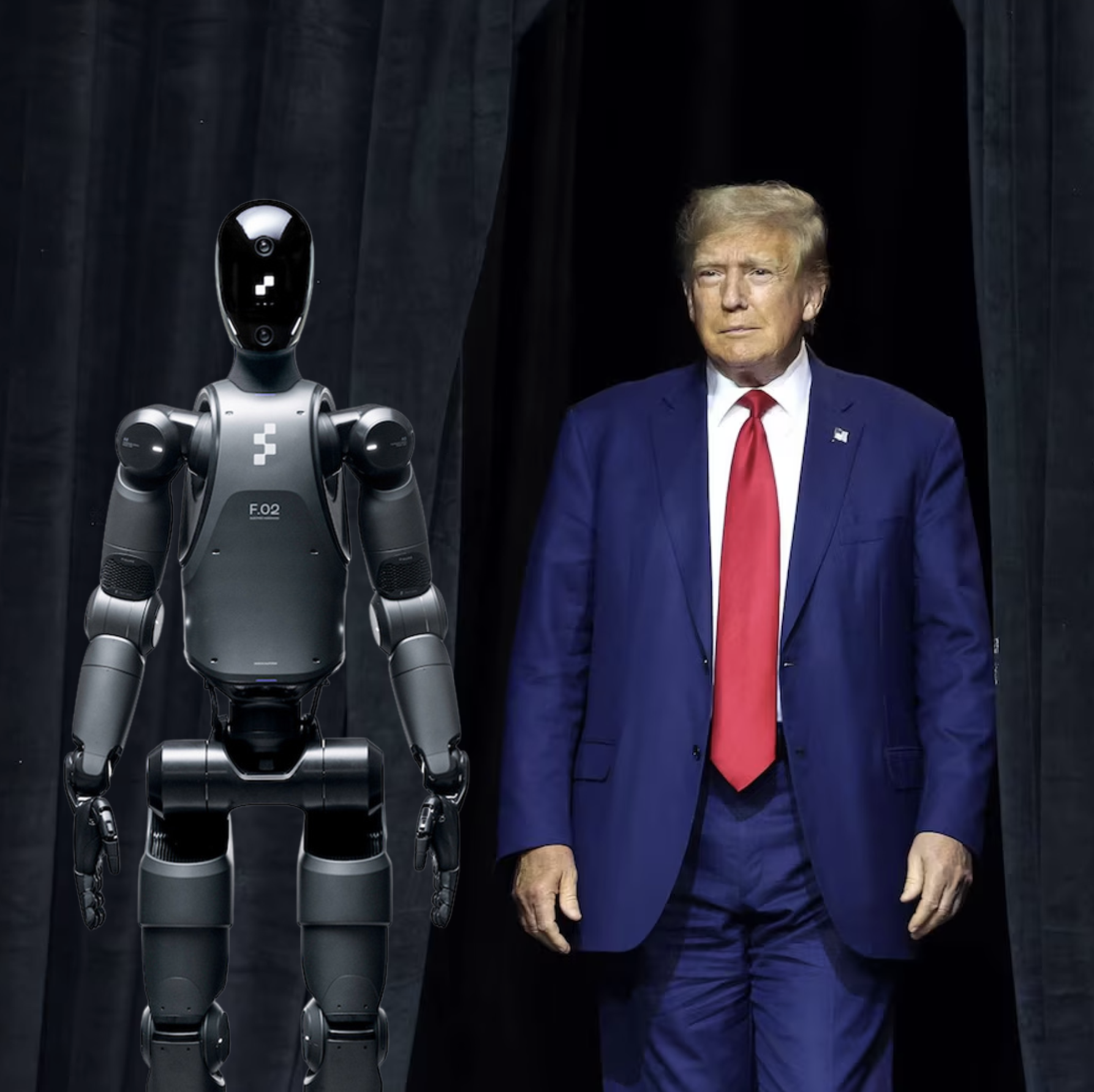
The United States just took a major step toward embracing robotics as a cornerstone of national competitiveness. Five months after launching an AI acceleration plan, the Trump administration is now shifting its focus to robots, signaling what could become the country’s first coordinated federal robotics strategy.
According to multiple industry sources, Commerce Secretary Howard Lutnick has been meeting with robotics CEOs and is fully committed to accelerating the sector. The administration is weighing an executive order on robotics for early next year, a move that would mirror China, Japan, Singapore, Germany, and Australia, which already operate national robotics plans.
A spokesperson for the Department of Commerce underscored the shift, saying robotics and advanced manufacturing are now central to bringing critical production back to the United States.
The Department of Transportation is preparing its own robotics working group, potentially launching before the end of the year, and members of Congress have begun floating ideas like a national robotics commission. While these early legislative efforts remain in flux, momentum is clearly building.
The new front in the race with China
China continues to dominate global automation, now operating more than 1.8 million industrial robots inside its factories. That is four times the U.S. total. Industry leaders are warning policymakers that America cannot afford to treat robotics as an optional add-on to AI. Robots are the physical expression of the entire AI revolution. If the United States wants to compete with China in the next industrial era, robotics must be included in any national strategy.
Funding tells the story. U.S. robotics investment is on pace to reach $2.3 billion in 2025, double last year. Goldman Sachs projects the global humanoid market could reach $38 billion by 2035.
Apptronik CEO Jeff Cardenas put it plainly. The U.S. needs a national robotics strategy to stay competitive and to ensure American companies lead the next generation of general-purpose humanoids. His company’s robot, Apollo, is already operating in auto factories, proving how quickly the technology is maturing.
Boston Dynamics VP Brendan Schulman echoed the same message. Robotics is no longer a novelty. It is a critical technology for manufacturing, national security, public safety, and defense. China’s push to dominate the robotics future is being noticed.
A new question for America: robots and jobs
There is a tension at the heart of this shift. The administration has made reviving American manufacturing jobs a major priority. But robotics, if deployed aggressively, could reshape the workforce faster than expected.
Some economists warn that rapid automation will reduce opportunities for workers in routine roles. Others say the opposite. They argue robotics will create entirely new job categories in deployment, maintenance, software training, and large-scale manufacturing.
Jeff Burnstein of the Association for Advancing Automation says robotics tends to boost productivity, which ultimately leads to more hiring. Companies that adopt robotics often expand faster and hire more people to support growth.
Industry leaders want to push a unified vision. Humans and robots working together, not humans replaced by robots. General-purpose humanoids that handle dangerous, repetitive, or physically punishing tasks so workers can move into safer, higher value roles. A future where the U.S. builds and deploys the robots that power its own industrial resurgence.
Why it matters?
This shift is not about factories alone. Once the federal government begins shaping robotics policy, it accelerates everything downstream, including home robotics, consumer humanoids, public service robots, and commercial deployments. Every major breakthrough in industrial robotics bleeds into consumer markets within a few years.
For companies across the robotics landscape, including those building home and workplace humanoids, this moment represents a national turning point. A robotics strategy positions the United States to lead in general-purpose humanoids and household automation just as the technology is finally becoming viable.
The global race for the next industrial platform has begun. If the administration formalizes a national robotics strategy, the U.S. will enter that race at full speed.