
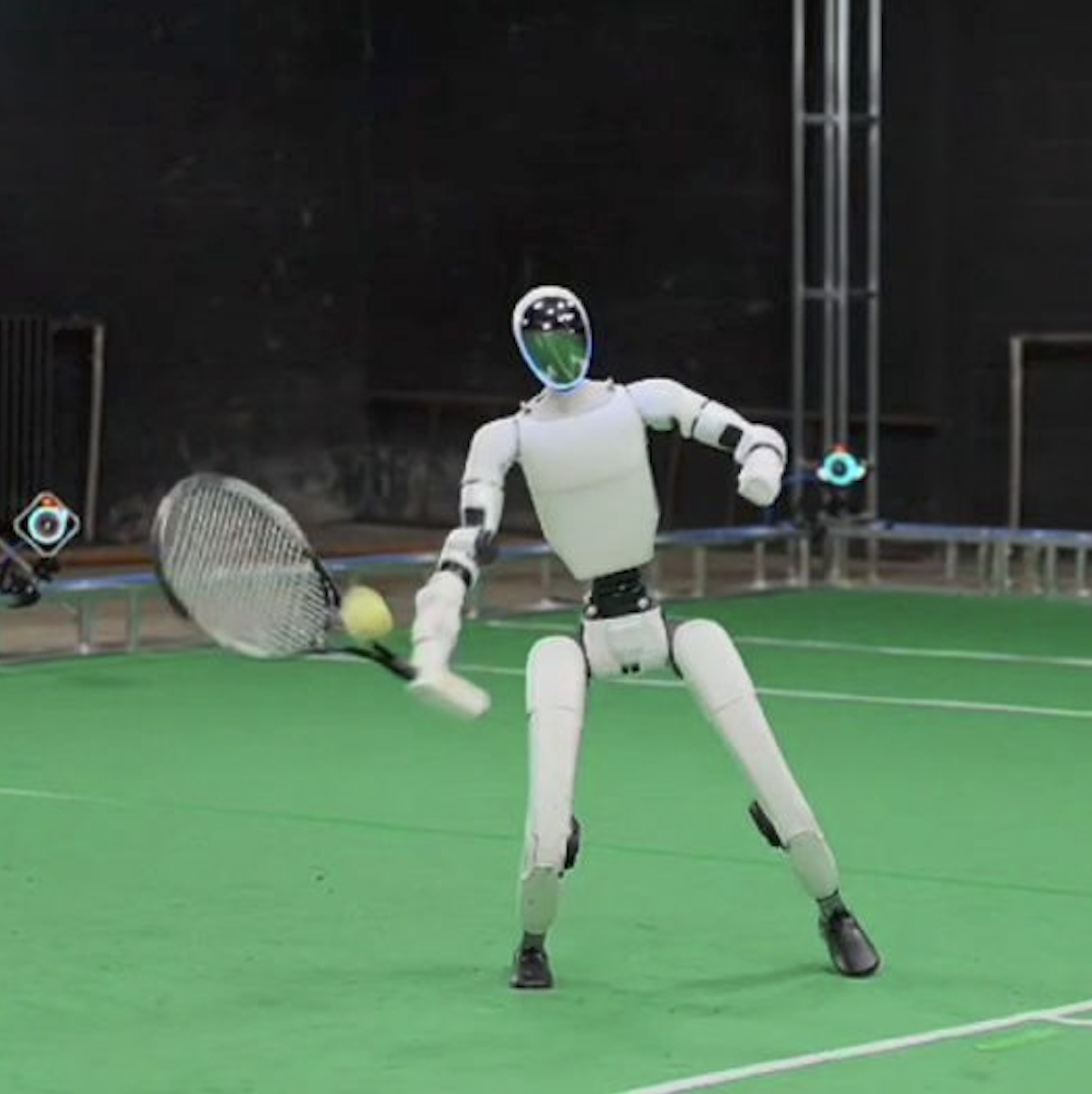
Game On: Your HouseBot Wants a Tennis Match
The future of robotics is no longer theoretical, and it is no longer confined to labs or controlled demos. It is stepping onto the tennis court.
A new generation of housebots is beginning to demonstrate something that was once considered extremely difficult: dynamic, real-time athletic performance in an unstructured environment. Playing tennis is not just about hitting a ball. It requires coordination, prediction, balance, spatial awareness, and rapid decision-making. Seeing a humanoid robot execute these actions marks a major leap forward in embodied AI.
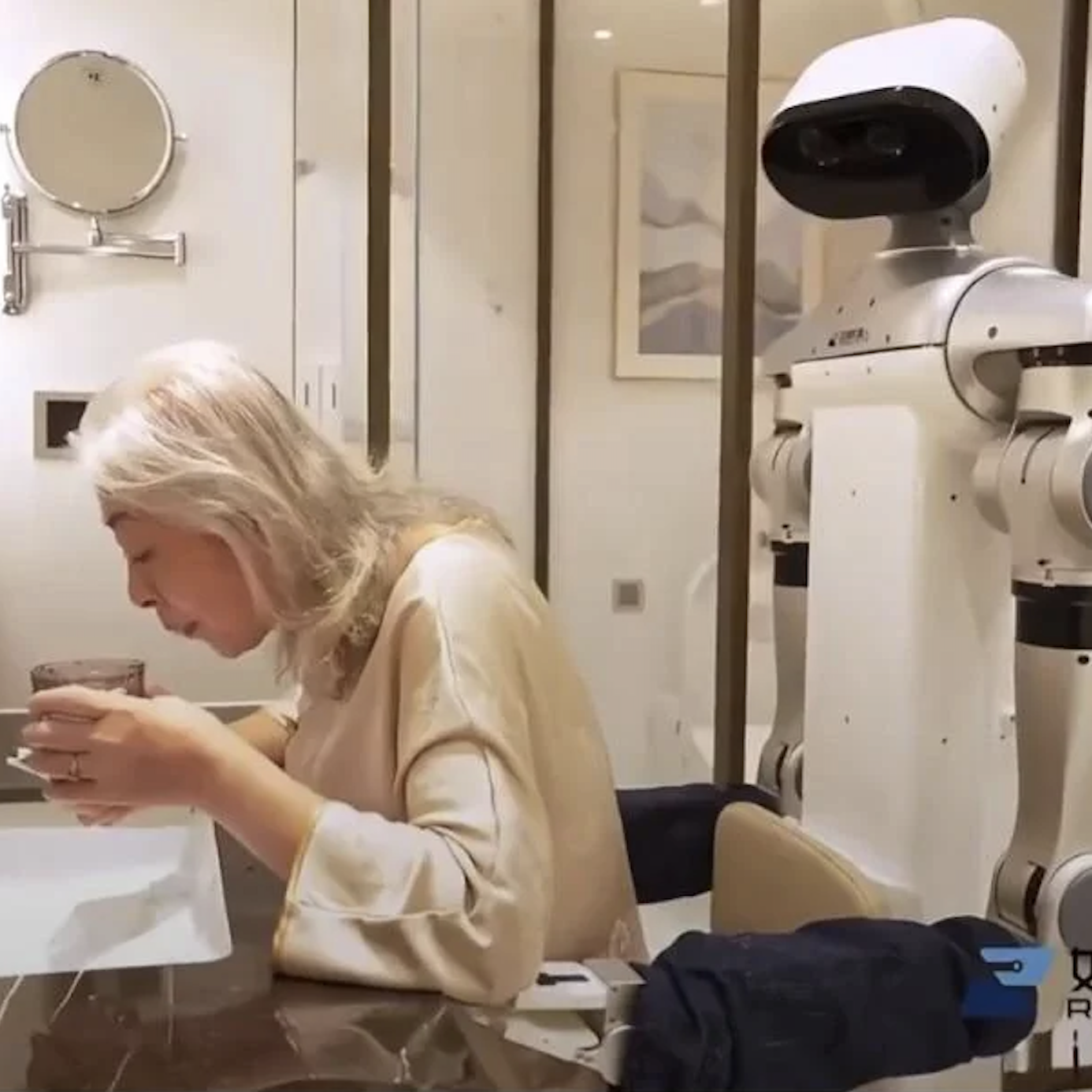
Humanoids Are Poised To Become Essential Assistants in Nursing Homes
Humanoid robots are rapidly moving from research labs into real-world care environments, and one of the first sectors set to benefit is eldercare. Nursing homes across the world face the same challenges: chronic staffing shortages, physical strain on caregivers, and rising demand as aging populations grow. Humanoids are emerging as a powerful tool to support — not replace — human workers, making daily care safer, more consistent, and more dignified.
A new example comes from ROBOTGYM, which has begun demonstrating a humanoid robot designed specifically for assisted-living environments. In recent tests, the robot helped a resident out of bed, prepared a simple meal, and delivered it safely. These may seem like small tasks, but in nursing homes they represent some of the most physically taxing, injury-prone responsibilities for staff.

OMNIHEAD: The Modular Future of Humanoid Robotics
Imagine upgrading your humanoid robot the same way you upgrade your computer. Need more vision? Snap in a new module. Want stronger processing power? Slot in the next chip. That’s the disruptive promise behind OMNIHEAD from LANXIN Robotics, the world’s first truly modular head for humanoid robots.