The Rise of Home Robots and What It Means for the Future
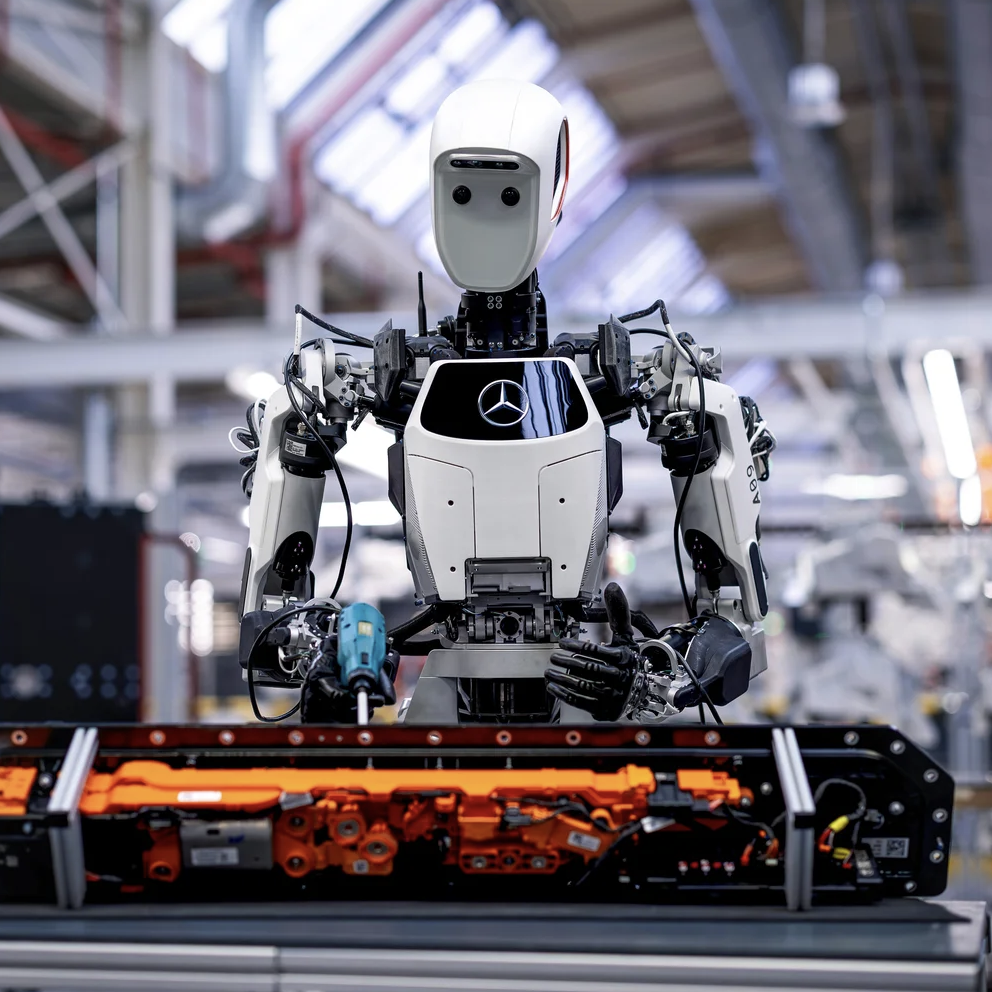
The global robotics sector is shifting fast, and home robots are becoming one of the most compelling frontiers. The recent surge in AI capabilities, especially large language models (LLMs), has opened the door for robots that understand natural language, follow complex instructions, and integrate smoothly into daily life. Investors are taking notice, and momentum across the entire industry is accelerating.
The Bot Company hits a US $2.5 billion valuation
The Bot Company, founded by former Cruise CEO Kyle Vogt along with Paril Jain and Luke Holoubek, has secured US$194 million in new funding led by Greenoaks. This round values the young robotics startup at US$2.5 billion, despite having no commercial product on the market yet. It follows an earlier US$194 million raise backed by Spark Capital and former GitHub CEO Nat Friedman, which brought the valuation to US$713 million at the time.
This rapid rise reflects a broader investor belief that robots powered by modern AI will become a major category of consumer technology. The company is developing non humanoid home robots designed to assist with everyday chores, using AI systems capable of reasoning through tasks in natural language.
LLMs reshaping robotics
The robotics boom of 2024 and 2025 is being driven by the same technology that transformed software: LLMs. These models give robots the ability to understand commands, adapt to unfamiliar scenarios, and perform work that previously required specialized programming. Investors now see robotics as an extension of AI’s trajectory, not a separate field.
Major players enter the race
Nvidia, Tesla, Figure, Collaborative Robotics, and many others are fueling a wave of innovation.
Figure is raising capital at a US$51 billion valuation. Collaborative Robotics, led by former Amazon robotics engineer Brad Porter, has raised US$188 million to scale non humanoid industrial robots.
At Nvidia’s GTC event, Jensen Huang outlined a near term future where humanoid and non humanoid robots become practical in real world environments. Nvidia also unveiled Isaac GR00T N1, a foundation model designed to give robots generalized reasoning skills and the ability to learn from limited demonstrations.
Home robotics gains serious attention
The consumer market for home robots is heating up. Amazon introduced its household robot Astro in 2021 and recently shifted resources away from enterprise features to focus fully on home use.
Other startups, including Physical Intelligence and 1x, have raised significant capital to build robots capable of performing daily tasks like cleaning, folding laundry, and assisting with simple household routines.
A growing number of robotics founders are returning from the self driving vehicle sector with deep engineering experience. Many are building new systems that move beyond traditional imitation learning and toward action centered AI models inspired by LLMs. These systems aim to help robots learn movements, adapt on the fly, and operate far more efficiently than earlier generations of home robotics products.
What this means for the future
The robotics sector is entering a period of rapid expansion. Capital is flowing, technical breakthroughs are accelerating, and the first wave of useful, intuitive home robots is closer than most people expect.
HouseBots is tracking these developments closely because they signal a clear shift. Robotics is no longer a distant future concept. It is becoming a real consumer category, and the next two years will likely determine which companies shape the first generation of home robotics.
The era of helpful in home robots has begun.