A Helpful Robot for the Home Steps Into the Spotlight at CES 2026
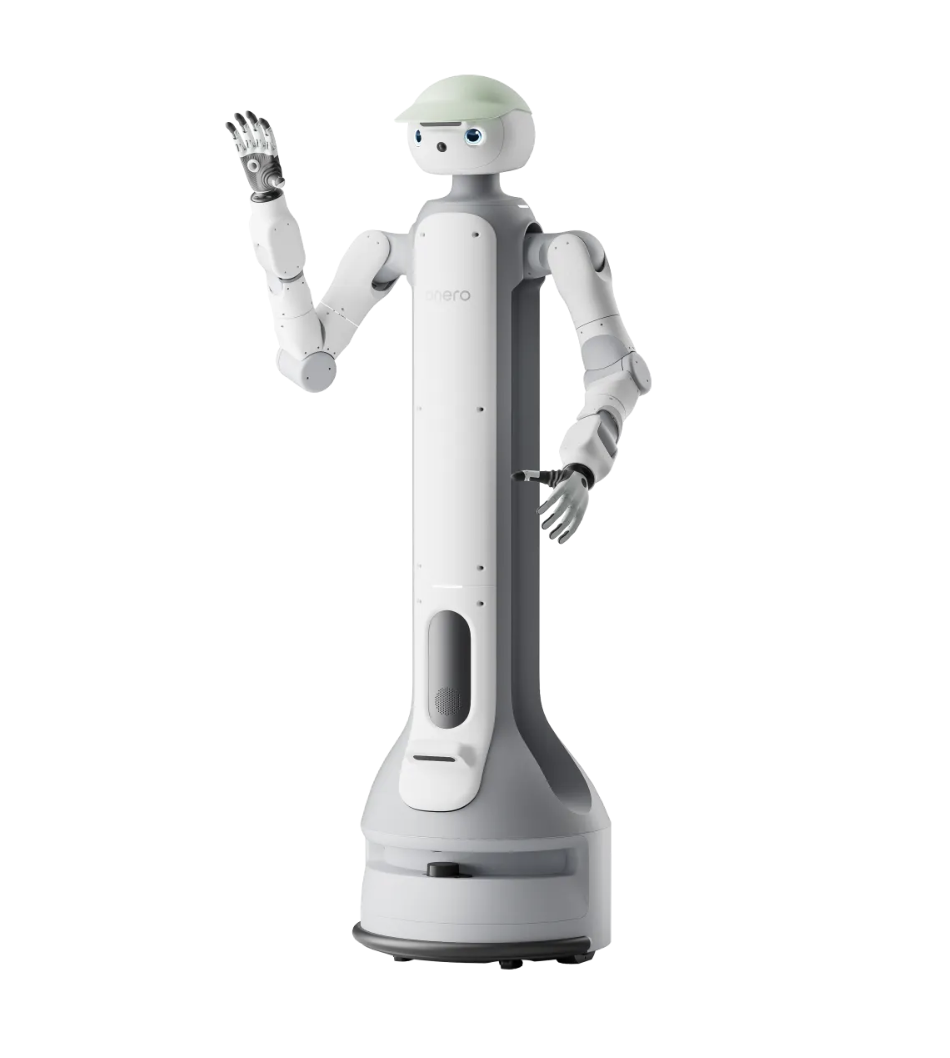
Every once in a while, a piece of technology appears that feels less like a gadget and more like a quiet shift in how daily life might work. That moment arrived at CES 2026 with the debut of SwitchBot’s new household robot, a machine designed not to impress with spectacle but to help in practical, meaningful ways.
For years, smart homes have promised convenience through apps, sensors, and automation rules. This robot takes that idea a step further by bringing physical assistance into the picture. Instead of asking homeowners to adapt their routines to technology, it is built to adapt to the home itself. The goal is simple and ambitious at the same time. Reduce friction in everyday tasks so people can focus on what matters most.
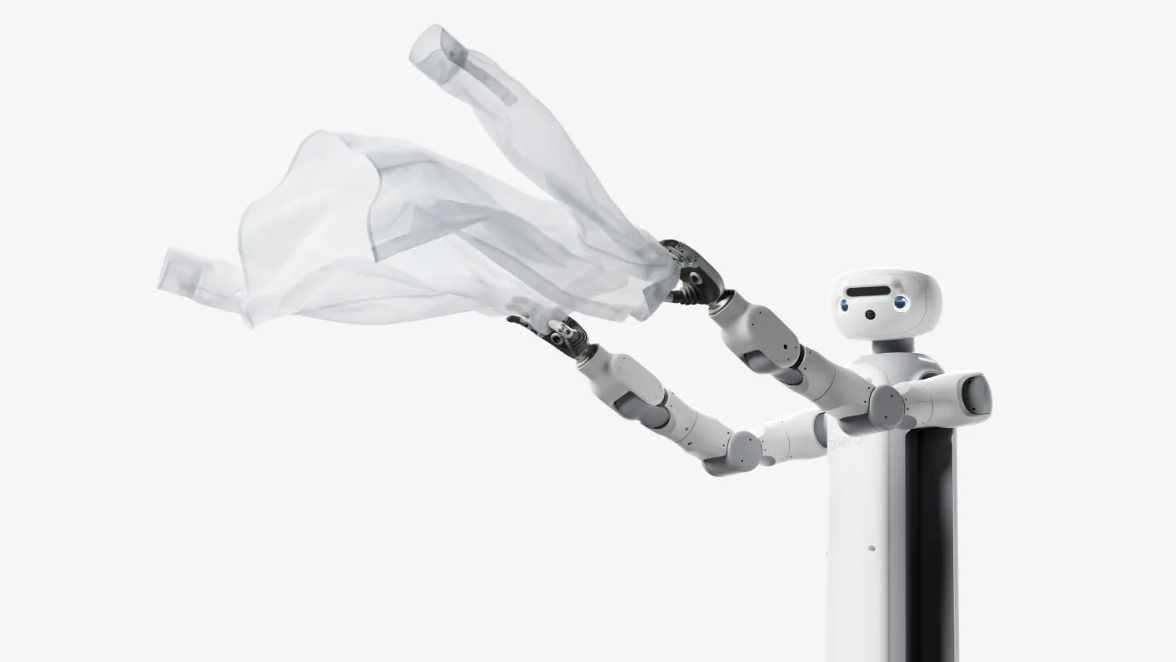
The robot is designed with a human friendly form and a calm presence. It moves on a stable wheeled base rather than walking, which makes it efficient and reliable indoors. Two articulated arms allow it to interact with common household objects like appliances, doors, and furniture. In demonstrations, it handled tasks such as loading laundry, preparing simple kitchen actions, and managing routine chores that tend to pile up during busy days.
What makes this robot especially compelling is its focus on learning and flexibility. Instead of being locked into a narrow set of commands, it is built to recognize environments, understand objects, and improve with experience. Over time, it can become familiar with the layout of a home and the preferences of the people living there. The vision is not a novelty robot but a dependable helper that quietly blends into daily life.
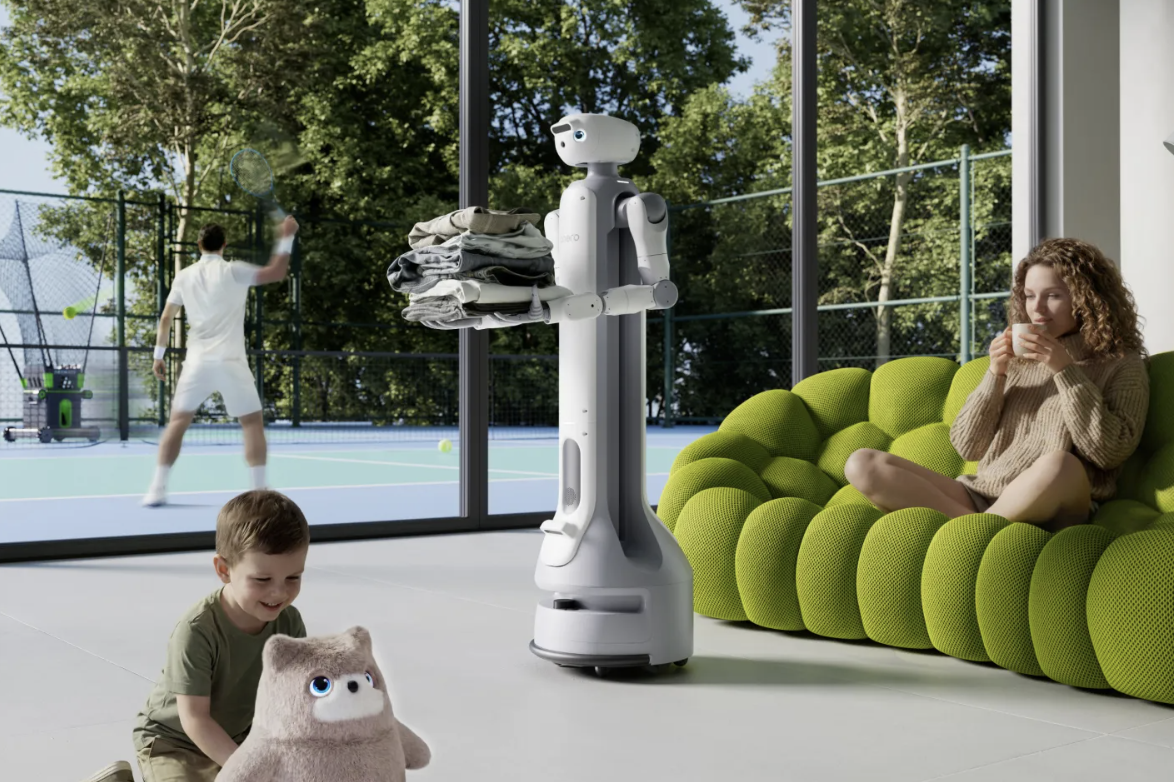
This unveiling also signals a broader shift in home technology. The conversation is moving away from isolated smart devices and toward systems that feel cohesive and intuitive. A robot that can interact with existing smart home products creates a more unified experience. Lights, locks, appliances, and sensors stop feeling like separate tools and start acting like parts of a single, supportive environment.
The excitement surrounding the robot at CES was not driven by flashy claims or distant promises. It came from the sense that this is a realistic step forward. The technology is grounded in practical use cases and real homes, not lab experiments or science fiction scenes. It feels designed for families, professionals, and anyone who wishes they had a little extra help keeping life running smoothly.
There is something quietly hopeful about this moment. A helpful robot in the home is not about replacing people or removing human connection. It is about giving time back. Time to spend with family. Time to rest. Time to create. As technology continues to mature, the most meaningful advances may be the ones that fade into the background and simply make life easier.
With this debut, the idea of a household robot no longer feels like a distant future. It feels close, practical, and genuinely exciting. CES 2026 may be remembered as the year when home robots stopped being a curiosity and started becoming companions in everyday living.