Figure Helix HouseBot Thrives in the Kitchen
By Claire Sheffield
I have cooked thousands of meals in my life. I have unloaded the dishwasher so many times I could probably do it blindfolded, which is ironic because half the time I am doing it at night with one kitchen light on so I do not wake anyone. I have balanced hot pans, opened stubborn cabinets with my hip, and somehow carried too many plates at once because walking back twice felt like defeat.
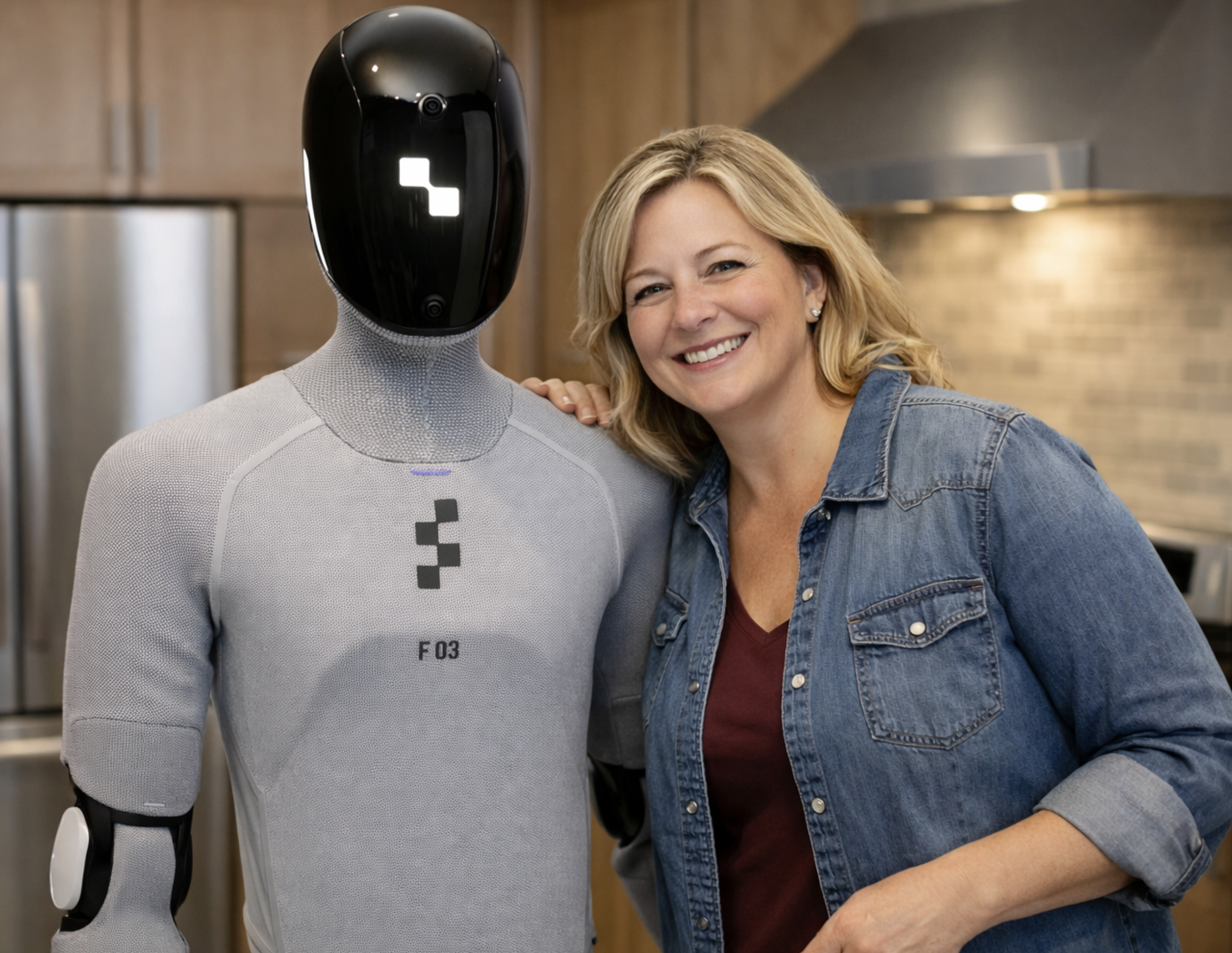
So when I watched Figure Helix calmly walk into a kitchen and unload a dishwasher in four minutes without drama, I felt something unexpected.
Relief.
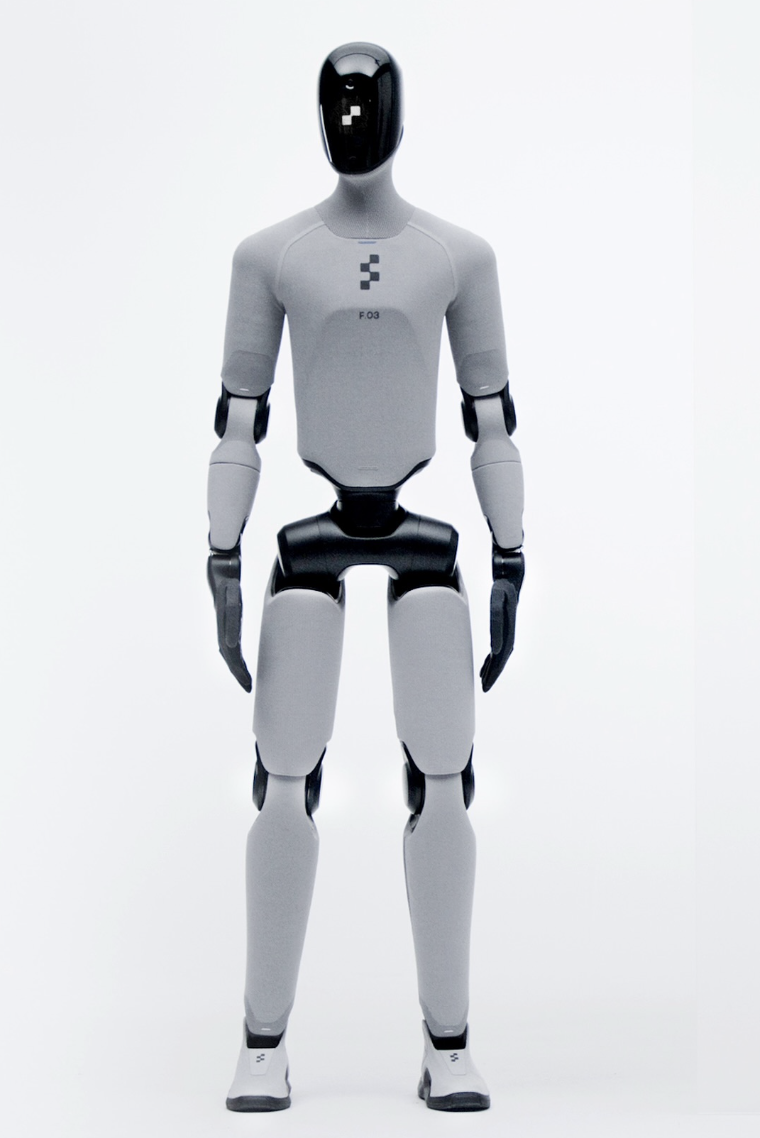
Figure Helix HouseBot
Not futuristic hype relief. Not someday maybe relief. Real, practical, if you lived in my house you would earn your keep relief.
What makes Figure Helix different is not that it can do one chore well. It is that it moves through the kitchen like someone who understands how kitchens actually work. Doors swing. Dishes shift. Cabinets are placed just slightly too low or too high. You have to move, adjust, rebalance, and keep going.
Helix does all of that because it is not juggling separate skills. Walking, reaching, gripping, balancing, and seeing are all part of one continuous system. Every sensor talks directly to every motor. Vision, touch, palm cameras, and body awareness work together instead of handing tasks off like coworkers who do not quite trust each other.
At the core of this is something called System 0. Think of it as the robot’s instincts. It is a learned whole body controller trained on more than one thousand hours of human motion. It runs fast enough to make the tiny corrections that keep a plate from tipping or a step from wobbling. Above that, higher level systems handle understanding and planning, but nothing ever interrupts the flow. The robot never pauses to think about which mode it is in. It just keeps moving.
That is why the dishwasher demo matters so much. Dishes are awkward. Some are heavier than they look. Some are slippery. Some are stacked badly because a tired human loaded them in the first place. Helix adjusts grip, posture, and balance in real time while moving around a tight space. That is not a party trick. That is kitchen reality.
Now imagine what that means beyond dishes.
Cooking assistance is suddenly realistic. Carrying ingredients. Holding bowls steady. Stirring while maintaining balance. Opening the fridge, reaching into lower drawers, and stepping back without bumping into anything. These are not separate problems anymore. They are just movements inside one system.
Cleaning becomes less of a chore and more of a background task. Clearing counters. Carrying trash. Loading and unloading without needing a perfectly staged environment. Even just standing there holding something heavy while you do something else is a gift you do not appreciate until your wrists are tired.
And here is the part that surprised me most. Watching Helix does not feel like watching a machine execute commands. It feels like watching something that understands the room. That comes from the unified hierarchy behind it, where high level intent flows smoothly into visual planning and then into full body control at high speed. The robot is aware of itself, its surroundings, and what it is trying to accomplish all at once.
The work from Figure AI shows what happens when you stop asking robots to do chores and start teaching them how to exist in human spaces.
I am not looking for a robot to replace cooking with love or sitting at the table together. I am looking for fewer sore wrists, fewer late nights cleaning up alone, and fewer moments where the kitchen feels like a second job.
Figure Helix does not just belong in the kitchen. It thrives there. And for someone who has spent decades keeping one running, that feels like the most exciting breakthrough of all.